In a world where markets are more interconnected than ever, focusing your investments solely on one country or region can expose you to unnecessary risk. Global diversification — spreading your investments across multiple countries, sectors, and currencies — is one of the most effective ways to reduce volatility and enhance long-term returns.
Let’s explore why global diversification matters, how it works, and how you can apply it to your portfolio.
What Is Global Diversification?
Global diversification means investing beyond your home country’s borders. Instead of relying on one economy or stock market, you spread your investments across:
- Developed markets (like the U.S., Europe, Japan)
- Emerging markets (such as India, Brazil, or Vietnam)
- Different asset classes (stocks, bonds, real estate, and commodities)
The goal is simple: reduce the impact of any single market downturn on your overall portfolio.
Why Global Diversification Matters
1. Reduces Country-Specific Risk
Economic cycles, political changes, or regulatory shifts can hurt one nation’s market but not others. By diversifying globally, you cushion your portfolio against local downturns.
2. Taps into Global Growth Opportunities
Innovation and growth are not limited to one part of the world. Emerging economies often deliver higher growth rates, while developed markets provide stability and reliability.
3. Balances Currency Exposure
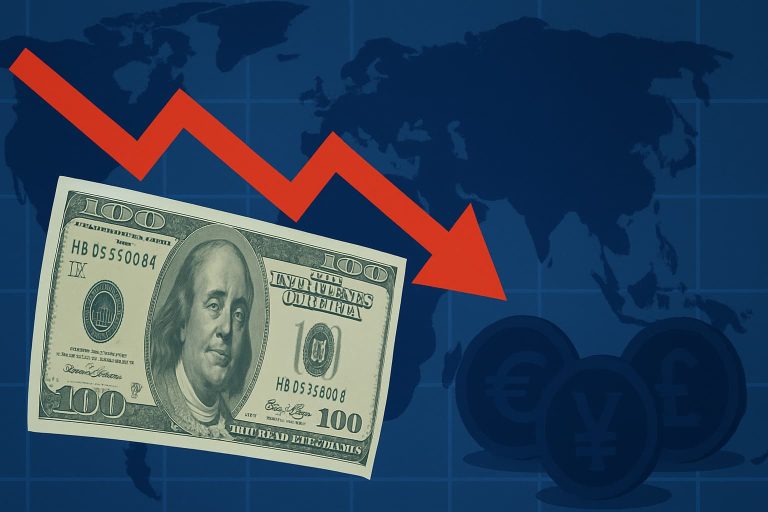
Investing internationally exposes you to different currencies. While this adds complexity, it also creates an opportunity — a weaker home currency can boost returns from foreign holdings.
4. Improves Risk-Adjusted Returns
Because global markets don’t always move in sync, global diversification can smooth out volatility and improve your portfolio’s overall performance over time.
How to Build a Globally Diversified Portfolio
1. Start with a Core Allocation
Most investors begin with a mix of domestic and international equities. For example:
- 60% domestic (e.g., U.S. stocks)
- 40% international (split between developed and emerging markets)
This balance provides both familiarity and exposure to broader global trends.
2. Include International Bonds
While many investors focus on global equities, international bonds can offer income and diversification from domestic interest rate movements.
3. Consider Sector and Regional Diversity
Don’t just diversify by geography — also diversify across industries and sectors. For example, European energy firms, Asian tech companies, and North American healthcare providers each respond differently to global conditions.
4. Use ETFs and Global Funds
Exchange-Traded Funds (ETFs) and mutual funds make it easy to gain diversified exposure across dozens of countries. Many offer low fees and instant diversification with a single investment.
When Global Diversification Works Best
Global diversification shines during times when markets behave differently around the world.
- When U.S. stocks underperform, European or Asian markets might outperform.
- When one currency weakens, another might strengthen — cushioning overall returns.
The result is a more stable, balanced performance across various market environments.
Common Mistakes to Avoid
- Overconcentration in One Region: Avoid overweighting your home country or a single foreign market.
- Ignoring Currency Risk: Understand that currency fluctuations can affect returns — consider hedged funds if this is a concern.
- Short-Term Thinking: Global investing is a long-term strategy; don’t react to temporary market noise.
The Long-Term Case for Going Global
According to historical data, globally diversified investors tend to experience smoother returns and smaller drawdowns during market corrections.
No one can predict which market will lead in any given year — but diversification ensures you’re always positioned to benefit from the world’s growth.
Final Thoughts
Global diversification is more than just a defensive strategy — it’s a path to balanced growth and resilience.
By spreading your investments across countries, sectors, and currencies, you reduce dependence on any single market and open the door to global opportunities.
In an uncertain world, diversification remains the investor’s most powerful tool — and going global is the next natural step.